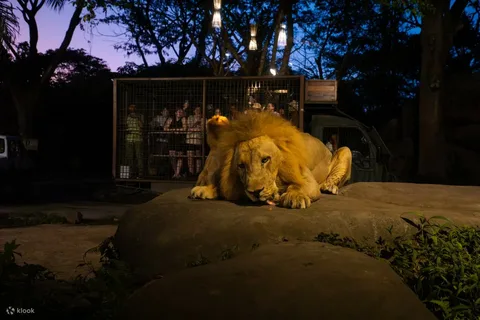
Are you ready to step out of your daily routine and into the heart of the wild? A Wildlife Nature Adventure offers the perfect escape, blending breathtaking landscapes, incredible animals, and personal discovery. Whether you’re a passionate photographer, a curious traveler, or someone seeking peace in nature, this kind of journey leaves lasting memories.
In this guide, you’ll learn how to plan meaningful nature adventure travel, pick up valuable wildlife photography tips, and explore destinations that will inspire your next trip. Let’s dive in!
What Makes a Wildlife Nature Adventure Special?
A true Wildlife Nature Adventure goes beyond simple sightseeing. It’s about immersing yourself in natural environments where wildlife thrives. You might trek through dense forests, paddle along serene rivers, or observe majestic animals in their natural habitats.
Unlike ordinary vacations, these experiences foster deep respect for the environment. They combine physical activity, learning, and wonder. Many travelers return home with renewed appreciation for conservation and a stronger connection to the planet.
Nature adventure travel stands out because it encourages responsible exploration. You move at nature’s pace, stay in eco-friendly lodges, and support local communities that protect wildlife.
Benefits of Embracing Nature Adventure Travel
Engaging in nature adventure travel brings rewards for both body and mind. Here are some key advantages:
- Physical Wellness: Hiking, kayaking, and wildlife tracking keep you active in beautiful settings.
- Mental Refreshment: The quiet of the wilderness reduces stress and boosts mindfulness.
- Educational Value: Learn about ecosystems, animal behavior, and conservation efforts directly from expert guides.
- Memorable Connections: Sharing campfire stories or spotting rare animals creates bonds with fellow adventurers.
Many people find that Wildlife Nature Adventure trips become life-changing experiences that inspire ongoing environmental action.
Essential Wildlife Photography Tips for Beginners and Pros
Capturing stunning images is often a highlight of any Wildlife Nature Adventure. Here are practical wildlife photography tips to help you bring home powerful shots:
- Know Your Gear: Practice using your camera before the trip. Understand shutter speed, aperture, and ISO for different lighting conditions.
- Respect Distance: Use a good zoom lens to photograph animals without disturbing them. Patience is more important than getting too close.
- Golden Hours: Shoot during early morning or late afternoon when light is soft and animals are most active.
- Focus on Behavior: The best shots often show animals interacting — a bird in flight, a mother with her young, or playful behavior.
- Background Matters: Pay attention to what’s behind your subject to create clean, professional-looking photos.
Applying these wildlife photography tips will dramatically improve your results, whether you’re using a smartphone or professional DSLR.
How to Plan Your Perfect Wildlife Nature Adventure
Successful nature adventure travel starts with good planning. Follow these steps:
- Choose Your Destination Wisely Consider your fitness level, interests, and budget. Popular spots include African safaris, Costa Rican rainforests, or national parks in Canada and India.
- Select Responsible Operators Look for tour companies that follow ethical wildlife viewing guidelines and support conservation projects.
- Pack Smart Bring comfortable clothing in earthy tones, sturdy boots, binoculars, a waterproof jacket, and insect repellent. Don’t forget extra memory cards and power banks for photography.
- Prepare Mentally Be flexible. Wildlife doesn’t follow schedules, so embrace the unexpected moments.
By planning carefully, your Wildlife Nature Adventure will be safe, enjoyable, and meaningful.
Top Destinations for Unforgettable Wildlife Nature Adventure
Several places around the world offer exceptional opportunities for Wildlife Nature Adventure:
- Serengeti National Park, Tanzania: Famous for the Great Migration, where millions of animals move across vast plains.
- Banff National Park, Canada: Stunning mountain landscapes perfect for spotting bears, elk, and wolves.
- Amazon Rainforest, Brazil: A biodiversity hotspot ideal for birdwatching and river exploration.
- Ranthambore National Park, India: Excellent for tiger sightings combined with rich cultural heritage.
Each destination provides unique chances to practice wildlife photography tips and enjoy genuine nature adventure travel.
Sustainable Practices Every Adventurer Should Follow
Responsible travel is essential for preserving these precious places. Here’s how you can help:
- Follow “Leave No Trace” principles.
- Support local guides and businesses.
- Avoid single-use plastics.
- Never feed or touch wild animals.
- Choose carbon-offset programs when possible.
When more travelers adopt these habits, Wildlife Nature Adventure experiences remain available for future generations.
Common Challenges and How to Overcome Them
Even the best-planned trips have hurdles. Weather can change quickly, animals may stay hidden, and remote areas have limited facilities. Stay positive, keep your sense of humor, and remember that the journey itself is part of the adventure.
Joining a small group tour often helps overcome these challenges while providing safety and shared knowledge.
Conclusion: Start Your Wildlife Nature Adventure Today
A Wildlife Nature Adventure offers more than beautiful photos or exciting stories — it reconnects you with the natural world in a profound way. Through thoughtful nature adventure travel and smart wildlife photography tips, you can create experiences that enrich your life while protecting the places you visit.
Whether you’re dreaming of your first safari or planning your next photography expedition, the wild is waiting. Pack your bags, step outside your comfort zone, and embrace the adventure. Your next great story begins in nature.
Ready to begin? Research destinations, book a responsible tour, and get ready for memories that will last a lifetime.
What is the best time for a Wildlife Nature Adventure?
It depends on your destination. For example, the dry season is often ideal in Africa for better wildlife viewing, while summer works well for many North American parks.
Do I need professional camera equipment for wildlife photography?
Not necessarily. Many great shots come from smartphones or entry-level cameras with zoom lenses. Focus on learning wildlife photography tips and practicing patience.
Is nature adventure travel safe for beginners?
Yes, when you choose reputable operators. Most tours cater to different fitness levels and provide experienced guides.
How can I make my trip more eco-friendly?
Choose sustainable lodges, follow local guidelines, minimize waste, and support conservation initiatives during your Wildlife Nature Adventure.