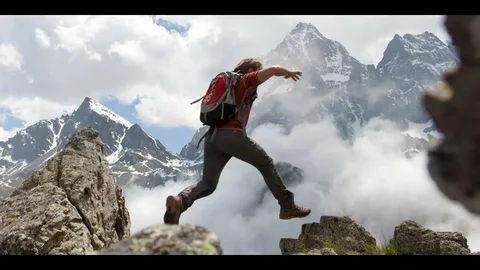
There’s something magical about stepping away from busy city life and diving into a Wild Nature Adventure. Whether you’re hiking through dense forests, spotting rare animals, or simply breathing in fresh mountain air, these experiences refresh your mind and soul. A Wild Nature Adventure isn’t just a trip — it’s a chance to reconnect with the raw beauty of our planet.
In this guide, we’ll explore what makes a Wild Nature Adventure so special, share practical tips, highlight top destinations, and help you prepare for an unforgettable journey. If you love the outdoors, this is for you.
What Is a Wild Nature Adventure?
A Wild Nature Adventure combines excitement, exploration, and deep connection with untouched environments. It can include multi-day hikes, camping under the stars, kayaking through wild rivers, or tracking animals in their natural habitats.
Unlike resort vacations, a Wild Nature Adventure pushes you slightly out of your comfort zone. It rewards you with stunning views, peaceful moments, and stories you’ll remember forever. Many people return from these trips feeling more grounded, energized, and grateful for the natural world.
Why Choose a Wild Nature Adventure?
People seek Wild Nature Adventure experiences for many reasons. Here are some of the biggest benefits:
- Mental Reset: Spending time in nature reduces stress and improves mood.
- Physical Challenge: Activities like nature trekking strengthen your body and build endurance.
- Wildlife Encounters: Wildlife exploration lets you observe animals in their true homes.
- Personal Growth: Overcoming outdoor challenges boosts confidence and resilience.
- Environmental Awareness: You develop deeper respect for conservation efforts.
Whether you’re a beginner or seasoned explorer, a Wild Nature Adventure offers something meaningful for everyone.
Top Destinations for Your Next Wild Nature Adventure
Some places are perfect for a true Wild Nature Adventure. Here are a few favorites:
- Yellowstone National Park (USA): Famous for geysers, hot springs, and incredible wildlife exploration. Spot bison, wolves, and grizzly bears.
- Patagonia (Chile/Argentina): Towering mountains and glaciers make it ideal for challenging nature trekking.
- Banff National Park (Canada): Crystal-clear lakes and rugged trails perfect for every level of adventurer.
- Serengeti National Park (Tanzania): The ultimate destination for wildlife exploration during the great migration.
- Amazon Rainforest (Brazil/Peru): Rich biodiversity and thrilling jungle adventures.
Each location offers unique opportunities to experience a genuine Wild Nature Adventure.
Essential Tips for Successful Nature Trekking
Good preparation turns a good trip into an amazing one. Follow these tips for smooth nature trekking:
- Choose the Right Trail: Match the difficulty to your fitness level. Start with shorter day hikes if you’re new.
- Pack Smart: Bring layers, sturdy boots, a reliable backpack, headlamp, first-aid kit, and enough water.
- Check Weather: Mountain and forest weather can change quickly — always have a backup plan.
- Follow Leave No Trace: Pack out all trash and respect wildlife.
- Travel with a Guide (if needed): Especially for remote areas or technical nature trekking.
Remember, the goal isn’t just reaching the destination — it’s enjoying every step along the way.
Making the Most of Wildlife Exploration
Wildlife exploration adds magic to any Wild Nature Adventure. To increase your chances of great sightings:
- Go early in the morning or late afternoon when animals are most active.
- Stay quiet and move slowly.
- Use binoculars or a good camera with zoom.
- Learn basic animal behavior and tracks before your trip.
- Join guided tours with local experts who know the best spots.
Respecting animals’ space is crucial. Never feed wild animals or get too close. Responsible wildlife exploration helps protect these beautiful creatures for future generations.
Gear and Preparation for Your Wild Nature Adventure
Proper gear makes a huge difference. Here’s a basic checklist:
- Clothing: Moisture-wicking base layers, waterproof jacket, hiking pants.
- Footwear: Broken-in hiking boots with good ankle support.
- Navigation: Map, compass, or GPS device (plus phone with offline maps).
- Safety: Multi-tool, emergency whistle, sunscreen, and insect repellent.
- Sustenance: High-energy snacks and water purification method.
Train a few weeks before your trip with shorter nature trekking outings. Building stamina gradually prevents injuries and increases enjoyment.
Common Challenges and How to Overcome Them
Even the best Wild Nature Adventure can have tough moments. Weather might turn bad, trails could be harder than expected, or you might feel tired. The key is staying flexible and positive.
Join small group trips if you’re traveling solo. Having company adds safety and fun. Listen to your body, take breaks, and celebrate small victories along the trail.
Q1: Is a Wild Nature Adventure suitable for beginners?
Yes! Many destinations offer easy trails and guided tours perfect for newcomers. Start small and build up your skills.
Q2: What’s the best time for wildlife exploration?
Early morning and late afternoon usually provide the best opportunities to see animals.
Q3: How do I stay safe during nature trekking?
Tell someone your plans, carry safety gear, check weather reports, and consider hiking with a partner or group.
Q4: Do I need special fitness for a Wild Nature Adventure?
Basic fitness helps, but many adventures can be adjusted to different levels. Training beforehand makes it more enjoyable.