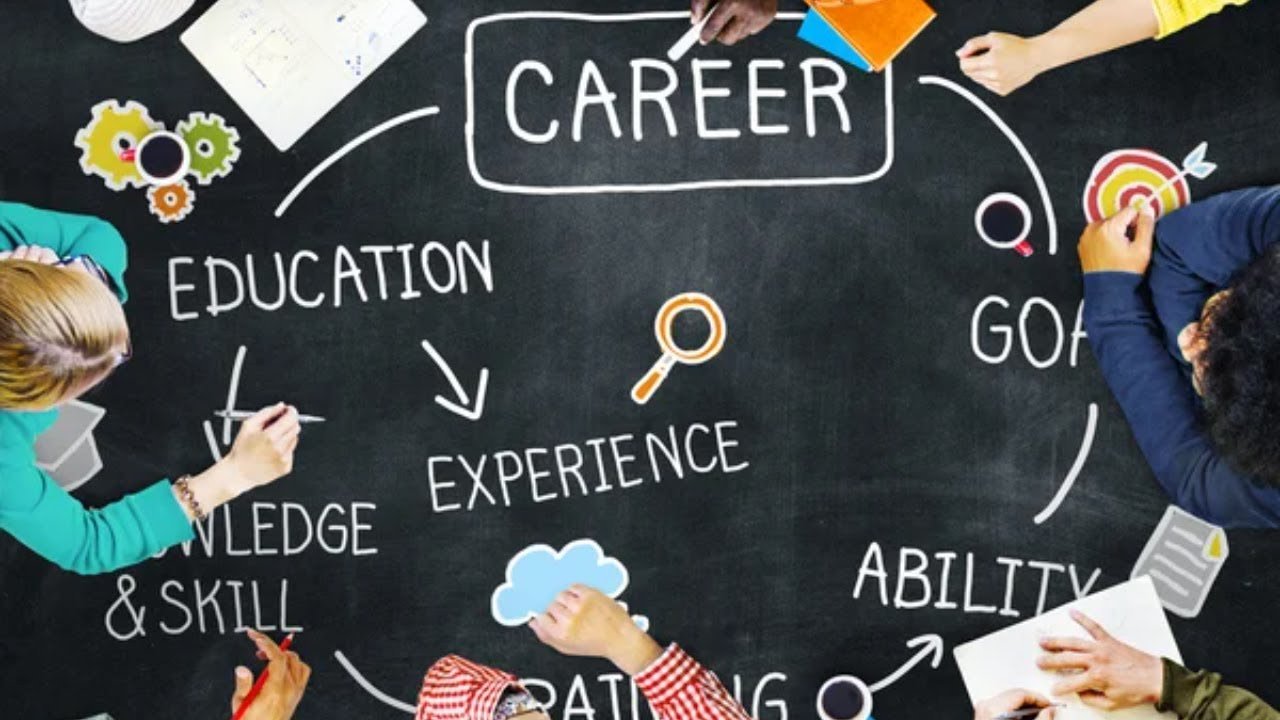
Education and career go hand in hand in the rapidly evolving world of today. The choices you make about learning directly shape the opportunities you get in your professional life. Whether you’re a student planning your future, a recent graduate entering the job market, or a working professional looking to grow, understanding the connection between education and career is the first step toward long-term success and personal fulfillment.
Why Education & Career Matter More Than Ever
Education is no longer just about earning a degree—it’s about building a strong foundation for your career. In a competitive job market, employers look for candidates who combine knowledge with practical skills, adaptability, and a willingness to keep learning.
A good education opens doors. It helps you develop critical thinking, problem-solving abilities, and specialized knowledge that employers value. At the same time, your career goals should influence the education path you choose. This two-way relationship makes education & career planning essential for anyone who wants to thrive.
Key benefits of aligning education with career goals:
- Higher earning potential
- Better job satisfaction
- More career options and flexibility
- Stronger professional network
- Greater resilience during economic changes
Choosing the Right Education Path for Your Dream Career
One of the biggest decisions in life is selecting what to study. Many students feel pressure to pick popular fields, but the smartest choice is one that matches your interests, strengths, and long-term career vision.
Consider these questions when deciding:
- What subjects genuinely excite you?
- What industries are growing and offer good prospects?
- Do you prefer hands-on work or theoretical knowledge?
- Are you aiming for a specific role, like doctor, engineer, teacher, or entrepreneur?
Vocational training, online courses, community college, and traditional university degrees all have their place. For some careers, certifications and skills-based programs deliver faster results than a four-year degree. In education & career planning, flexibility is key.
The Role of Skills in Modern Education & Career Success
Gone are the days when a degree alone guaranteed a great job. Today, employers want people who can communicate well, work in teams, solve problems creatively, and adapt to new technologies.
Focus on developing both hard skills (technical abilities specific to your field) and soft skills (like leadership and emotional intelligence). Many successful professionals combine formal education with self-learning through platforms like Coursera, Udemy, Khan Academy, and industry-specific workshops.
Internships, part-time jobs, and volunteer work also bridge the gap between classroom learning and real-world application. They give you practical experience that makes your resume stand out.
How to Plan Your Career While Pursuing Education
Although it can be modified at any point, effective education and career preparation begin early. Here’s a simple roadmap:
- Self-Assessment – Identify your strengths, values, and interests.
- Research – Explore different career options and required qualifications.
- Set Goals – Create short-term and long-term milestones.
- Gain Experience – Seek internships, projects, and networking opportunities.
- Build a Network – Connect with mentors, professors, and professionals in your field.
- Stay Flexible – Be ready to pivot as new opportunities arise.
Many people change careers multiple times in their lives. Continuous education—whether through advanced degrees, certifications, or short courses—helps you stay relevant and competitive.
Balancing Education and Career Responsibilities
For working professionals going back to school or students working part-time, balance is crucial. Good time management, clear priorities, and support from family or mentors make a big difference.
Online and part-time education options have made it easier than ever to pursue learning without putting your career on hold. Many companies even offer tuition reimbursement programs to support their employees’ growth.
Emerging Trends Shaping Education & Career
The future of work is being shaped by technology, globalization, and changing societal needs. Fields like artificial intelligence, renewable energy, healthcare, data science, and digital marketing are expanding rapidly.
Lifelong learning is no longer optional. Professionals who regularly update their skills through workshops, conferences, and online learning tend to advance faster and enjoy more fulfilling careers.
Remote work and hybrid models have also changed how we think about education & career. Location matters less, while demonstrated skills and results matter more.
Useful Advice to Boost Your Academic and Professional Path
- Start building a professional portfolio early
- Develop strong communication skills in writing and speaking
- Learn basic financial literacy to manage your career and money wisely
- To find areas for improvement, often ask for comments.
- Stay curious and open to new experiences
- Take care of your mental and physical health—burnout hurts both education and career progress
Conclusion: Your Education & Career Journey Starts Today
The connection between education & career is powerful. When you invest thoughtfully in learning, you invest in your future self. Success doesn’t happen overnight, but consistent effort, smart planning, and a willingness to adapt will take you far.
Whether you’re just starting out or looking to make a change, remember that it’s never too late to align your education with your career dreams. Stay focused, keep learning, and build the future you want—one step at a time.