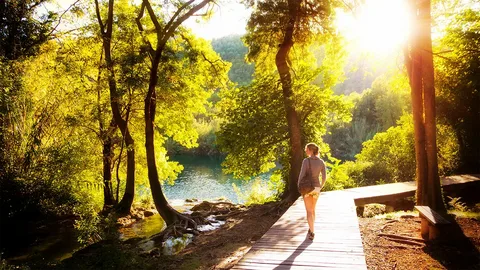
In our fast-paced world, finding moments of calm can feel like a challenge. That’s where a peaceful forest walk comes in. Stepping into the woods, surrounded by towering trees and gentle sounds of nature, offers a simple yet powerful way to recharge. Whether you’re seeking stress relief or a deeper connection with the outdoors, a peaceful forest walk can transform how you feel.
This article explores why these walks are so beneficial and how you can make the most of them. From the science behind forest bathing to practical tips for a mindful forest walk, you’ll find everything you need to start enjoying the healing power of the forest.
Why a Peaceful Forest Walk Feels So Restorative
There’s something magical about wandering through the woods. The fresh air, dappled sunlight filtering through leaves, and the soft crunch of earth underfoot create an instant sense of peace. A peaceful forest walk isn’t just a casual stroll—it’s an opportunity to slow down and truly be present.
Many people report feeling lighter and more energized after spending time among the trees. This isn’t just imagination; research supports the profound effects of spending time in wooded areas. A peaceful forest walk helps shift your body from “fight or flight” mode to a calmer state, making it easier to let go of daily worries.
The Science-Backed Benefits of Forest Bathing
Forest bathing, also known as shinrin-yoku, is the Japanese practice of mindfully immersing yourself in a forest environment. It goes beyond exercise—it’s about engaging all your senses during a peaceful forest walk.
Studies show that forest bathing can lower cortisol levels (the stress hormone), reduce blood pressure, and improve heart rate. Even a short session brings noticeable changes. People often experience better sleep, sharper focus, and a brighter mood afterward.
One of the reasons forest bathing works so well is phytoncides—natural compounds released by trees. These boost your immune system by increasing natural killer cells, which help fight infections and even support cancer prevention in some studies.
Regular forest bathing during a peaceful forest walk also helps ease symptoms of anxiety, depression, and fatigue while increasing feelings of vigor and happiness. It’s like a natural reset button for your mind and body.
Embracing a Mindful Forest Walk for Deeper Connection
A mindful forest walk takes your experience to the next level. Instead of rushing or listening to podcasts, you focus fully on the present moment. This practice of nature immersion helps quiet racing thoughts and builds awareness.
During a mindful forest walk, try noticing small details: the texture of bark, the pattern of leaves, or the distant call of birds. This sensory engagement is a form of meditation that many find more accessible than sitting still.
Nature immersion through a mindful forest walk activates the parasympathetic nervous system, promoting relaxation and recovery. Over time, it can improve emotional resilience and help you feel more grounded in everyday life.
Physical and Mental Health Gains from Nature Immersion
The advantages of a peaceful forest walk extend far beyond feeling relaxed in the moment. Consistent nature immersion delivers lasting benefits:
- Reduced Stress and Anxiety: Time in the forest naturally lowers stress hormones and promotes calm.
- Better Mood and Emotional Balance: Many people notice fewer feelings of anger or sadness after regular walks.
- Improved Immune Function: Exposure to forest air supports your body’s defenses.
- Enhanced Focus and Creativity: A break from screens and urban noise refreshes your mind.
- Better Sleep: The gentle activity and fresh air often lead to deeper, more restful nights.
A mindful forest walk combines light physical activity with mental presence, making it suitable for almost everyone. It’s low-impact yet highly effective for overall wellness.
How to Prepare for Your Peaceful Forest Walk
Getting ready for a peaceful forest walk is straightforward. Here’s what helps:
- Choose Comfortable Clothing: Wear layers and sturdy shoes suitable for uneven paths.
- Check the Weather: Mild days are ideal, but even light rain can enhance the sensory experience.
- Leave Devices Behind (or Silent): Minimize distractions to fully enjoy forest bathing.
- Bring Water and Snacks: Stay hydrated, especially for longer outings.
- Tell Someone Your Plans: Safety first—share your route if heading out alone.
Start with shorter walks if you’re new to this. Even 20-30 minutes of nature immersion can make a difference.
Tips for an Effective Mindful Forest Walk
To maximize the benefits of your mindful forest walk, try these simple techniques:
- Start Slow: Begin with deep breaths and feel your feet connecting with the ground.
- Engage Your Senses: Pause to listen, smell, touch, and observe. What do you notice?
- Practice Gratitude: Silently thank the trees or the path for the peaceful experience.
- Use Invitations: Ask yourself gentle questions like “What can I hear right now?” or “How does the air feel?”
- End with Reflection: Sit quietly for a few minutes before heading back.
These practices turn a regular walk into powerful forest bathing and nature immersion.
Finding the Best Places for a Peaceful Forest Walk
You don’t need a remote wilderness for great results. Local parks, community woodlands, or national forest trails all work well for a peaceful forest walk. Look for places with:
- Dense tree cover
- Gentle paths
- Minimal crowds
- Natural water features like streams
Many areas now offer guided forest bathing sessions. These can be wonderful for beginners learning mindful forest walk techniques.
Common Challenges and How to Overcome Them
Not every peaceful forest walk feels perfect right away. Weather, bugs, or busy thoughts can interfere. The key is patience and consistency. Start small, go at your own pace, and remember that even imperfect time in nature brings value.
If motivation is low, invite a friend or join a local group focused on nature immersion.
Conclusion: Make the Peaceful Forest Walk Part of Your Life
A peaceful forest walk offers more than fresh air—it’s a pathway to better health, clearer thinking, and greater joy. Whether through forest bathing, a mindful forest walk, or simple nature immersion, the forest has gifts waiting for you.
Start small this week. Find a nearby trail, put one foot in front of the other, and let the woods work their magic. Your mind and body will thank you.
The trees are calling. Will you answer with a peaceful forest walk?
What is the difference between a regular walk and a peaceful forest walk?
A peaceful forest walk emphasizes slow movement, sensory awareness, and nature immersion rather than pace or distance. It focuses on the healing aspects of the environment.
How often should I do forest bathing?
Aim for at least once or twice a week. Even short sessions of mindful forest walk provide benefits, so consistency matters more than duration.
Can beginners practice a mindful forest walk?
Absolutely! No special skills are needed. Just show up with an open mind and follow your senses during your peaceful forest walk.
Is a peaceful forest walk suitable for all ages?
Yes. It’s gentle, adaptable, and beneficial for kids, adults, and seniors alike. Adjust the length and intensity as needed for nature immersion.