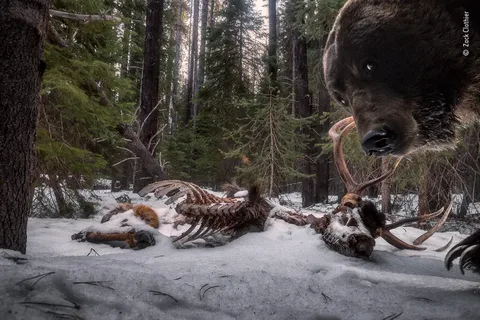
Forest wildlife photography is one of the most rewarding and challenging genres in nature photography. It takes you deep into lush woodlands where patience, skill, and respect for nature combine to create breathtaking images. Whether you’re a beginner or an experienced photographer, mastering forest wildlife photography opens up a world of incredible moments with elusive creatures in their natural habitat.
In this guide, you’ll find practical wildlife photography tips, ideas for capturing forest animals, and everything you need to elevate your shots.
Why Forest Wildlife Photography Matters
There’s something magical about stepping into a quiet forest with your camera. Sunlight filtering through the canopy, dew-covered leaves, and the sudden rustle of leaves as a deer or fox appears—these moments make forest wildlife photography addictive.
Unlike open savannas or urban parks, forests offer dense cover, soft diffused light, and intimate scenes. This environment rewards photographers who learn to move quietly and anticipate animal behavior. The results? Images that tell powerful stories of biodiversity and wilderness.
Essential Gear for Forest Wildlife Photography
Good equipment helps, but it doesn’t replace skill. Here’s what most successful forest wildlife photographers carry:
- Telephoto lenses: A 200-600mm zoom or prime lens lets you photograph shy animals without disturbing them.
- Tripod or monopod: Essential for sharp shots in low light under the canopy.
- Weather protection: Forests are humid and rainy—use rain covers and protective filters.
- Camouflage gear and blinds: Blending in is key when capturing forest animals.
- Fast memory cards and extra batteries: You never know when that perfect moment will appear.
Start with what you have and upgrade as your passion for forest wildlife photography grows.
Wildlife Photography Tips for Beginners in the Forest
Here are some proven wildlife photography tips to help you succeed:
- Arrive early and stay late: Golden hours (dawn and dusk) bring the best light and most animal activity.
- Study your subject: Learn the habits of local wildlife before heading out. Knowing when deer feed or birds nest dramatically improves your chances.
- Practice silent movement: Wear soft-soled boots and move slowly. Sudden noises ruin opportunities for capturing forest animals.
- Use burst mode wisely: Animals move fast—continuous shooting helps freeze the perfect moment.
- Focus on the eyes: Sharp eyes create emotional connection in wildlife portraits.
These simple wildlife photography tips can transform your forest outings from random walks into productive photo sessions.
Techniques for Capturing Forest Animals
Capturing forest animals requires a mix of technical skill and field craft. Here are key approaches:
1. Master Composition in Cluttered Environments
Forests are full of branches and leaves. Use leading lines created by tree trunks or frame your subject naturally with foliage. Negative space and selective focus help your subject stand out.
2. Work with Available Light
Forest light is often soft and diffused, which is great for even exposure. On bright days, look for pockets of sunlight breaking through the canopy for dramatic backlighting or rim light effects.
3. Be Patient and Ethical
The best shots in forest wildlife photography often come after hours of waiting. Never bait animals or disturb their natural behavior. Responsible photography ensures the wildlife remains wild for future generations.
4. Experiment with Perspectives
Get low to the ground for intimate portraits of small mammals or birds. This eye-level view creates more engaging images when capturing forest animals.
Best Locations and Timing for Forest Wildlife Photography
Look for forests with high biodiversity—national parks, nature reserves, and old-growth woodlands often yield the best opportunities. In many regions, spring and autumn offer ideal conditions: active wildlife, beautiful foliage, and comfortable temperatures.
Research local trails, check recent sightings on wildlife forums, and consider guided photography tours if you’re new to an area.
Post-Processing Your Forest Wildlife Photos
Editing plays a big role in bringing forest images to life:
- Adjust exposure and contrast to reveal details hidden in shadows.
- Enhance natural colors without over-saturating greens.
- Use noise reduction for shots taken at high ISO in dim forest light.
- Crop carefully to improve composition while maintaining resolution.
Remember, the goal is to enhance reality, not create it.
Common Challenges and How to Overcome Them
Forest wildlife photography comes with obstacles:
- Low light: Use wider apertures and image stabilization.
- Unpredictable subjects: Improve your tracking skills and practice with faster-moving birds first.
- Weather: Embrace rain and mist—they can create atmospheric, moody images.
- Physical demands: Stay fit and carry lightweight gear for long hikes.
With practice, these challenges become part of the adventure.
Taking Your Forest Wildlife Photography to the Next Level
Once you’ve mastered the basics, try creative techniques like slow shutter speeds for motion blur, or focus stacking for maximum sharpness in detailed scenes. Joining photography communities or workshops can provide valuable feedback and new ideas for capturing forest animals.
Conclusion
Forest wildlife photography is more than just taking pictures—it’s about connecting with nature, developing patience, and sharing the beauty of the wild world. With the right wildlife photography tips, respect for your subjects, and consistent practice, you’ll create images that inspire others to protect these precious ecosystems.
Grab your camera, head into the woods, and start capturing forest animals today. The forest is waiting with countless unforgettable moments. Happy shooting!