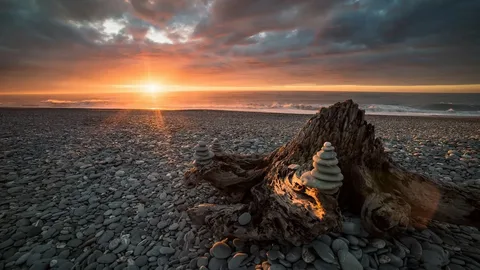
Amazing Nature Photography has the power to stop us in our tracks. A single image of golden sunlight breaking through misty forests or a lone animal standing against a dramatic sky can evoke deep emotions and remind us how beautiful our planet truly is. Whether you’re just starting out or looking to improve your skills, this guide shares practical advice to help you create stunning photos that truly stand out.
In today’s world of smartphones and social media, anyone can take pictures of nature. But turning ordinary snapshots into Amazing Nature Photography requires patience, knowledge, and a bit of creativity. Let’s explore how you can elevate your work.
Why Amazing Nature Photography Matters
Nature connects us to something bigger than ourselves. Through Amazing Nature Photography, we preserve fleeting moments — the first light of dawn on snow-capped mountains, colorful wildflowers blooming after rain, or the quiet grace of wildlife in their natural habitat.
These images do more than look pretty. They raise awareness about conservation, inspire travel, and bring peace to people stuck in busy cities. When you master nature photography tips, your photos can tell powerful stories and encourage others to protect the environment.
Essential Nature Photography Tips for Beginners
Getting started with Amazing Nature Photography doesn’t require expensive equipment. Here are some foundational nature photography tips that make a big difference:
- Understand the light: The best light often comes during the golden hour — shortly after sunrise and before sunset. This soft, warm light adds depth and beauty to your images.
- Be patient: Nature moves at its own pace. Sometimes you’ll wait hours for the perfect moment when a bird lands or the fog lifts.
- Use the rule of thirds: Imagine a grid on your screen and place key elements along the lines or intersections for more balanced, interesting compositions.
- Experiment with perspectives: Get low to the ground for flower shots or climb higher for sweeping views of valleys.
Applying these simple nature photography tips consistently will quickly improve the quality of your shots.
Mastering the Art of Capturing Breathtaking Landscapes
One of the most rewarding parts of Amazing Nature Photography is capturing breathtaking landscapes. Mountains, oceans, forests, and deserts each offer unique challenges and opportunities.
When capturing breathtaking landscapes, focus on layers — foreground elements like rocks or flowers, mid-ground hills or trees, and dramatic backgrounds. This creates depth and makes the viewer feel like they’re standing right there.
Weather plays a huge role too. Cloudy days can add mood and drama, while clear skies work great for reflections in lakes. Don’t be afraid of rain or mist — they often produce some of the most magical conditions for capturing breathtaking landscapes.
Pro nature photography tips for landscapes:
- Use a wide-angle lens to capture the full scene.
- Include a strong focal point (a lone tree, winding river, or colorful rock formation).
- Try long exposures for silky smooth water or dramatic cloud movement.
Wildlife Photography Within Amazing Nature Photography
Wildlife is a thrilling part of Amazing Nature Photography. Respecting animals and their space is essential — never disturb or stress them for a shot.
Good nature photography tips for wildlife include using a telephoto lens so you can stay at a safe distance. Learn animal behavior so you can anticipate movements. Early mornings and late afternoons are prime times when creatures are most active.
Remember: the best wildlife photos often show animals in their natural environment, not just close-up portraits. This storytelling approach makes your images more powerful and authentic.
Gear Recommendations for Amazing Nature Photography
You don’t need the most expensive camera to create Amazing Nature Photography. Many professionals started with basic DSLRs or even high-quality mirrorless cameras.
Recommended basics:
- A sturdy tripod for low-light and long-exposure shots
- Versatile zoom lenses (18-55mm for starters, plus a 70-300mm for wildlife)
- Extra batteries and memory cards — nature doesn’t wait for you to recharge
- A weather-sealed camera bag to protect your gear
Filters like polarizing filters can reduce glare and make colors pop, especially useful when capturing breathtaking landscapes near water.
Post-Processing: Bringing Your Vision to Life
Editing is where many photos go from good to extraordinary. Use software like Lightroom or free alternatives to adjust exposure, contrast, and colors. The goal is to enhance what you saw, not completely change it.
Keep edits natural. Over-processed images lose the authentic feel that makes Amazing Nature Photography special.
Common Mistakes to Avoid
Even experienced photographers make mistakes. Here are a few to watch out for:
- Shooting only in harsh midday light
- Forgetting to clean your lens before heading out
- Staying in one spot too long instead of exploring different angles
- Rushing the composition
What is the best time for Amazing Nature Photography?
Early morning and late evening (golden hour) usually offer the most beautiful light and fewer crowds.
Do I need professional gear to start?
No. Many great shots are taken with smartphones or entry-level cameras. Focus on learning nature photography tips and practicing regularly.
How can I get better at capturing breathtaking landscapes?
Practice composition, study the weather, and visit locations at different times of day. The more you shoot, the better you’ll become.
Is wildlife photography difficult for beginners?
It can be challenging, but starting with local parks and birds helps build skills before tackling bigger animals.