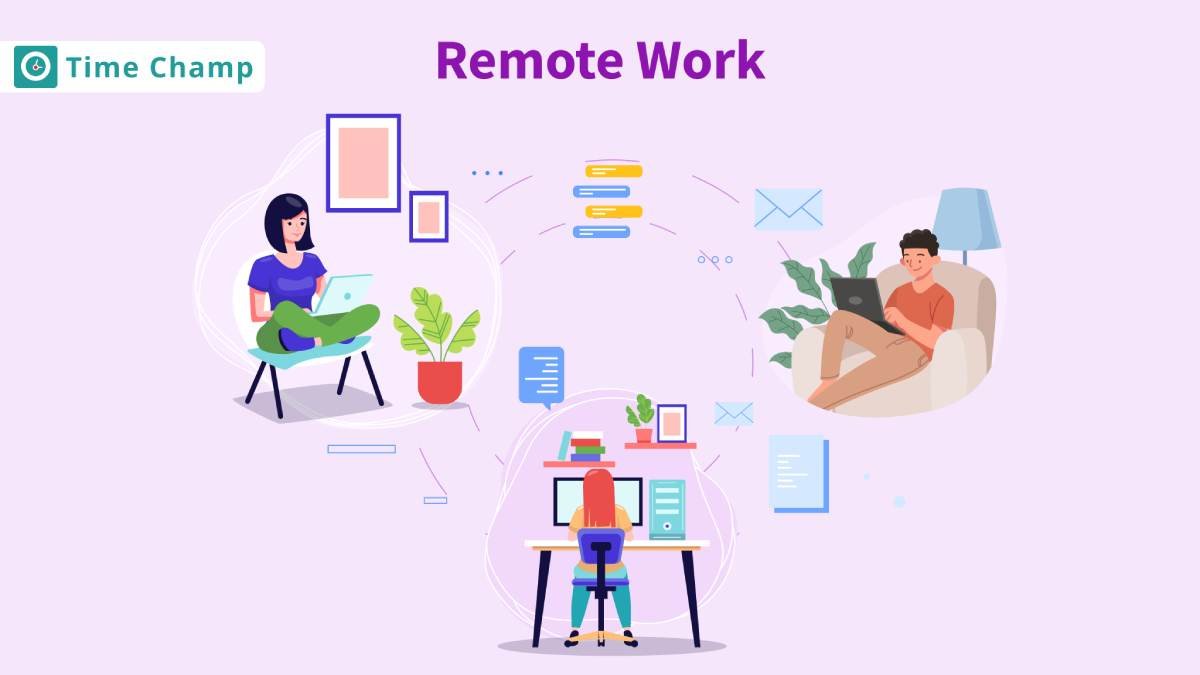
The way we work has changed forever. More professionals than ever are enjoying the freedom of working from home, coffee shops, or even while traveling. But succeeding in this environment requires more than just a laptop and Wi-Fi. You need strong remote work skills to stay productive, connected, and valued by your team.
Whether you’re new to remote work or looking to improve, developing the right abilities can make a huge difference in your performance and happiness. In this guide, we’ll explore the top remote work skills that actually matter and how you can build them.
Why Remote Work Skills Matter More Than Ever
Companies now hire talent from anywhere in the world. This creates exciting opportunities but also new challenges. Without the structure of a traditional office, professionals must rely on their own remote work skills to deliver results.
Employers aren’t just looking for technical expertise anymore. They want people who can work independently, communicate clearly, and stay organized without constant supervision. Strong remote work skills help you stand out, advance faster, and even enjoy your work more.
Essential Remote Work Skills for Success
Here are the core remote work skills that make the biggest impact:
- Self-motivation and discipline – Working without a boss watching over you
- Clear digital communication – Getting your message across without face-to-face interaction
- Technical adaptability – Comfortably using various online tools and platforms
- Problem-solving ability – Finding solutions when you can’t just walk over to a colleague’s desk
These foundational remote work skills form the base for everything else you’ll do in a remote role.
Building Strong Remote Collaboration Skills
One of the most important remote work skills today is remote collaboration skills. Since you’re not sharing the same physical space, you must be intentional about teamwork.
Good remote collaboration skills include:
- Participating actively in video meetings
- Sharing updates proactively instead of waiting to be asked
- Using shared documents and project management tools effectively
- Giving and receiving feedback constructively through digital channels
To improve your remote collaboration skills, try setting regular check-ins with teammates, over-communicating progress, and learning tools like Slack, Microsoft Teams, or Asana. The better your remote collaboration skills, the more valuable you become to your team.
Mastering Time Management for Remote Work
Another critical area is time management for remote work. Without office routines, it’s easy to lose track of time or get distracted by household tasks.
Effective time management for remote work involves:
- Creating a consistent daily schedule
- Using techniques like time-blocking
- Setting clear boundaries between work and personal life
- Taking strategic breaks to maintain focus
When you develop strong time management for remote work, you’ll notice higher productivity and less stress. Many successful remote workers start their day with a short planning session to prioritize tasks.
How to Develop Your Remote Work Skills
Improving your remote work skills doesn’t happen overnight. Here’s a simple approach:
- Assess your current strengths and weaknesses – Be honest about where you need improvement.
- Choose one skill to focus on each month (for example, remote collaboration skills or time management for remote work).
- Practice deliberately – Look for opportunities to use these skills in real projects.
- Ask for feedback – Regular input from managers and teammates helps you grow faster.
- Invest in learning – Take short online courses on communication, productivity, or specific tools.
Many professionals see big improvements in their performance within just a few weeks of focused practice on remote work skills.
Tools That Support Your Remote Work Skills
The right technology makes developing remote work skills much easier. Popular tools include:
- Communication: Zoom, Google Meet, Slack
- Project Management: Trello, ClickUp, Monday.com
- Focus and Time Tracking: Toggl, RescueTime, Forest app
- Document Collaboration: Google Workspace or Microsoft 365
Learning these tools strengthens both your remote collaboration skills and overall remote work skills.
Common Challenges and How to Overcome Them
Many people struggle with isolation, blurred work-life boundaries, or staying motivated. The good news is that building solid remote work skills directly helps with these issues.
For example, strong remote collaboration skills reduce feelings of isolation by keeping you connected with your team. Good time management for remote work helps maintain healthy boundaries and prevents burnout.
Conclusion: Start Building Your Remote Work Skills Today
The future of work is flexible, digital, and remote-first. Professionals who invest in their remote work skills will have a significant advantage in the coming years.
Whether you want to land a better job, get promoted, or simply enjoy your work more, focusing on remote collaboration skills and time management for remote work will serve you well.
Start small. Pick one area to improve this week. With consistent effort, you’ll develop the remote work skills that help you thrive no matter where you choose to work.
The opportunities are endless for those willing to grow. Your future remote self will thank you for starting today!